Surfaces That Meet Alignment and Mounting Standards
Milling and Surface Machining in Lake Charles for equipment with warped mounting surfaces or misaligned components
Portable Machine Services performs on-site milling and surface machining for industrial equipment and heavy machinery without requiring full dismantling or transport to a shop. The service restores flatness to mounting surfaces, sealing areas, and alignment zones where wear, corrosion, or thermal cycling has caused deformation. Equipment remains in place while machining tools are brought directly to the component that needs correction.
Milling removes material from metal surfaces to reestablish flatness and dimensional accuracy, addressing warping that prevents proper gasket sealing or component alignment. The process corrects surfaces on engine blocks, pump housings, gearbox mounts, and structural frames where bolt holes no longer align or sealing surfaces leak due to uneven metal.
Schedule a machining assessment to evaluate surface conditions and determine milling requirements for your equipment.
How On-Site Milling Restores Component Function
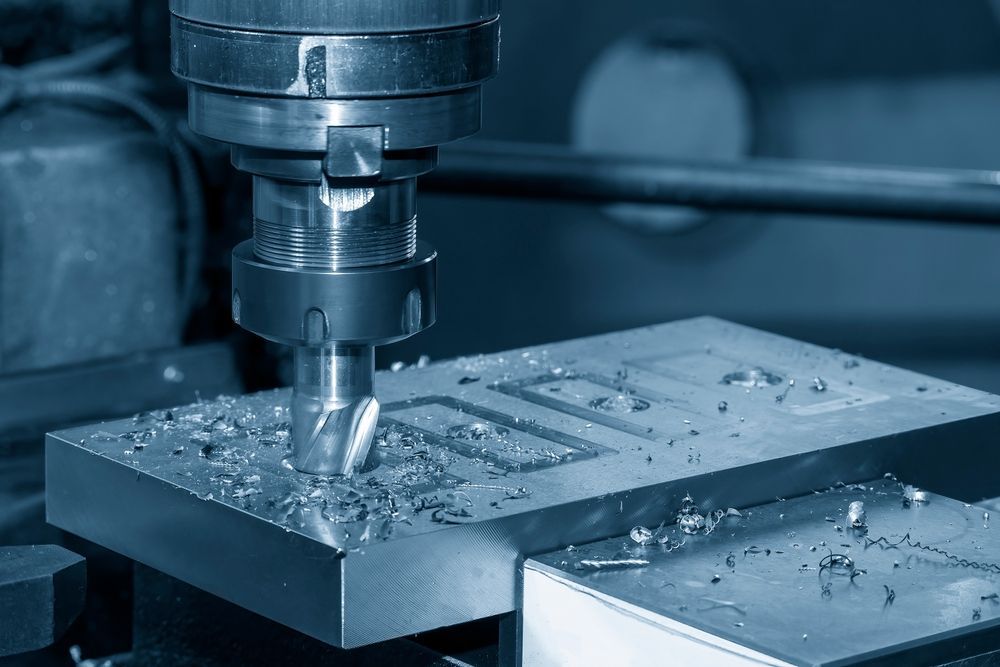
The milling process uses portable equipment that mounts directly to the component requiring correction, allowing precision cuts without moving the machinery. Cutting tools remove high spots and surface irregularities to restore flatness within tolerance specifications, ensuring gaskets seal properly and mating parts align as designed.
Once milling is complete, mounting surfaces sit flush with no visible gaps when gaskets are installed, bolt holes align without forcing hardware into place, and sealing areas hold pressure without leaks. The machined surface shows uniform tool marks across its entire plane, indicating consistent material removal and restored flatness that allows components to mate correctly.
The service applies to equipment that cannot be easily disassembled or transported, including large pumps, heavy gear housings, and machinery integrated into production lines. Portable equipment brings shop-level precision to field locations, reducing downtime compared to removal and off-site machining.
Questions About Milling and Machining Services
Equipment owners in Lake Charles often ask about the milling process and what it addresses on industrial machinery and heavy equipment.
What surfaces typically require milling?
Mounting surfaces on engine blocks, pump housings, and gearbox flanges that have warped from heat or wear are the most common applications, along with alignment areas where bolt holes no longer line up properly.
How does portable milling differ from shop machining?
The cutting process and accuracy are identical, but portable equipment mounts directly to the component in the field, eliminating the need to dismantle and transport heavy machinery to a machine shop.
What preparation is needed before milling begins?
The work area around the component must be accessible and clear of obstructions, and the machinery should be secured to prevent movement during the cutting process.
How much material gets removed during milling?
Removal depth depends on the extent of warping or damage, but most applications remove between a few thousandths and several hundredths of an inch to restore flatness within specification.
When should milling be performed instead of replacement?
Milling is appropriate when the base component is structurally sound but the surface has warped or corroded, making it more cost-effective than sourcing and installing a new part, especially for large or custom components.
Portable Machine Services brings precision machining capability directly to job sites and facilities across South Louisiana. Contact the team to arrange an evaluation of surfaces requiring milling or to schedule field machining for equipment that cannot be moved.